
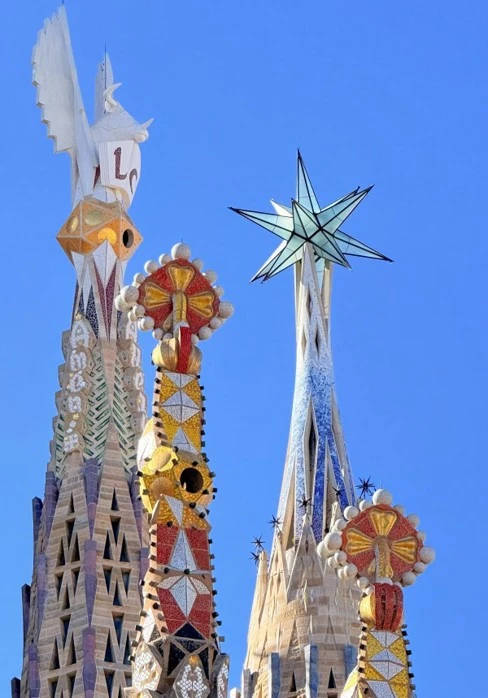
In 2026, Barcelona is the World Capital of Architecture, a title awarded by UNESCO and the International Union of Architects (UIA). Throughout the year, architecture and urban design take centre stage in the city’s cultural calendar, and it is the perfect excuse to discover Barcelona beyond its beaches and food. 2026 also marks the centenary of Antoni Gaudí’s death, making this a unique year to explore his work.
What it means to be World Capital of Architecture
The Barcelona World Capital of Architecture designation recognises cities that stand out for their architecture, urban planning and commitment to sustainable urban development. Barcelona earned it for its city model, from Ildefons Cerdà’s Eixample to the 1992 Olympic transformation and new districts such as 22@. The title is linked to the UIA World Congress of Architects, which brought professionals from all over the world to the city, along with a programme of exhibitions, routes and activities open to the public.
Gaudí and much more
Gaudí is the gateway: the Sagrada Família, Casa Batlló, La Pedrera and Park Güell are must-sees. But Barcelona’s architecture doesn’t end with him. The Modernist Eixample, the Palau de la Música Catalana, the Sant Pau Modernist Site, the Mies van der Rohe Pavilion on Montjuïc and Torre Glòries in Poblenou let you plan very different routes depending on your interests.
- Modernisme: Sagrada Família, Casa Batlló, La Pedrera, Casa Amatller, Palau de la Música Catalana and Sant Pau.
- 20th-century architecture: the Mies van der Rohe Pavilion, Fundació Joan Miró and the Olympic Village.
- Contemporary architecture: Torre Glòries, the Museu del Disseny, Santa Caterina Market and the 22@ district.
A two-day architecture route through Barcelona
- Day 1, the icons: the Sagrada Família in the morning and a walk along Passeig de Gràcia in the afternoon, stopping at Casa Batlló and La Pedrera.
- Day 2, another Barcelona: the Sant Pau Modernist Site in the morning and, in the afternoon, Poblenou and the contemporary architecture of the 22@ district, ending at Torre Glòries.
If you’re staying longer, add Montjuïc (the Mies van der Rohe Pavilion and Fundació Joan Miró), Park Güell and the Gothic Quarter. Book tickets for the most popular monuments in advance, especially the Sagrada Família and Park Güell, as they sell out quickly.
Where to stay in Barcelona, World Capital of Architecture
For a stay of several days, the area around Passeig de Gràcia and the Eixample is the best base: it combines good public transport, restaurants and much of the Modernist route within walking distance. An apartment with a kitchen and your own space gives you more freedom than a hotel, especially if you’re staying a week or longer, travelling for work or with family.
Be Mate has apartments on Passeig de Gràcia, right in the centre of Barcelona and just a few minutes’ walk from Casa Batlló and La Pedrera. They are fully equipped apartments for short, medium and long stays.
Frequently asked questions
Why is Barcelona the World Capital of Architecture in 2026?
UNESCO and the International Union of Architects (UIA) chose Barcelona for its urban model and architectural heritage. The title is linked to the UIA World Congress of Architects held in the city in 2026.
Which buildings should you not miss?
The Sagrada Família, Casa Batlló, La Pedrera, Park Güell, the Palau de la Música Catalana, the Sant Pau Modernist Site, the Mies van der Rohe Pavilion and Torre Glòries.
How many days do you need to see Barcelona’s architecture?
Two days are enough to see the essentials. If you also want to explore Montjuïc, Park Güell and the contemporary architecture at a relaxed pace, four days to a week is ideal.
What is the best area to stay in?
The Eixample, and in particular the area around Passeig de Gràcia, thanks to its central location and because much of the Modernist route can be done on foot.
More information: apartments on Passeig de Gràcia